
If you’re researching orthodontic insurance coverage, there’s a good chance you’re feeling two things at once. You want to do the right thing for your health or your child’s smile, and you don’t want to make a costly mistake because the insurance details weren’t clear.
That tension is normal. Orthodontic care is a meaningful investment, and dental insurance language is rarely written for real people.
This guide is designed to give you clarity. It explains how orthodontic insurance coverage actually works, what dental insurance typically covers, and how families in Sacramento use benefits, health savings accounts, and smart planning to move forward with confidence.
At American River Orthodontics, these questions come up every day. We help patients daily who are sorting through insurance questions before starting braces or Invisalign. What follows reflects real plans, real limitations, and real solutions, not idealized scenarios.
What Insurance Will Cover Orthodontics?
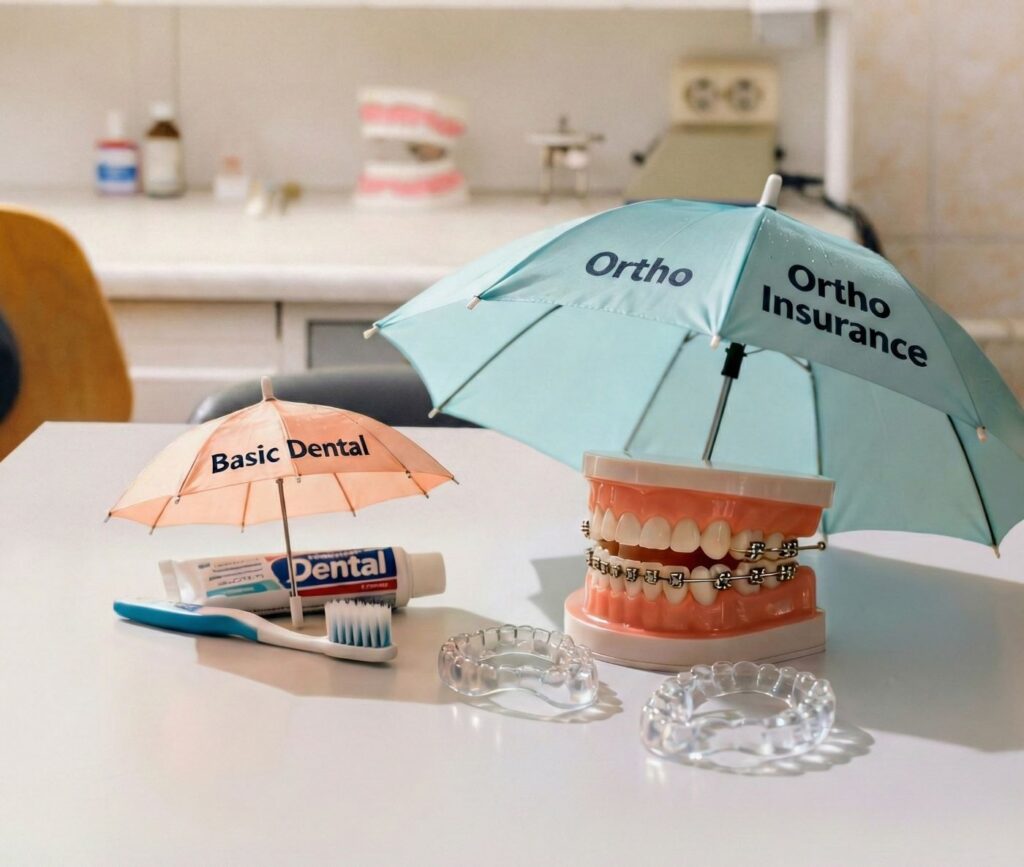
Orthodontic treatment is most often covered under dental insurance, not medical insurance. Coverage may come from an employer-sponsored dental plan, a private dental plan purchased directly from a health insurance carrier, or a supplemental orthodontic plan.
In California, some health plans offer pediatric dental benefits as essential health benefits, but orthodontic care is still commonly restricted or capped. Even when a plan includes coverage, it is usually structured with limits, waiting periods, and network requirements.
The important thing to understand is that orthodontic insurance is a specialized component of a broader dental insurance plan that typically needs to be elected. It is rarely automatically included in dental plans, and it works best when combined with intentional financial planning.

Why Age Matters More Than Most People Expect
One of the biggest disconnects between expectations and reality comes down to age. Many dental insurance plans only cover orthodontic treatment for dependents under age 18 or 19. Coverage for adults exists, but it is far less common and usually more limited.
This distinction affects:
- whether orthodontic services are covered at all
- how high the lifetime maximum benefit is
- whether a waiting period applies
For children, orthodontic coverage is often built into employer-sponsored plans. For adults, coverage is more likely to be optional, capped at a lower amount, or excluded entirely. That’s why adults frequently rely on HSAs, FSAs, and structured payment plans even when they have dental insurance.
Dental Insurance Plans: What Orthodontic Coverage Pays For
Most orthodontic insurance plans follow a similar financial pattern. Instead of paying everything up front, they contribute gradually over time and stop once a predefined limit is reached.
Two Key Concepts to Understand
Lifetime Maximum Benefit
This is the total amount a dental plan will ever pay toward orthodontic treatment. It typically ranges from $1,000 to $3,000 and does not reset annually. Once this limit is reached, no additional orthodontic benefits are paid under that plan even if treatment continues.
Percentage-Based Coverage
Many plans cover about 50% of orthodontic treatment costs until the lifetime maximum benefit is reached. After that point, remaining costs become the patient’s responsibility.
These limits apply whether treatment involves braces, Invisalign, or other orthodontic treatments.
PPO vs DHMO Dental Plans: Why Plan Type Matters
Not all dental plans work the same way, and plan type plays a major role in orthodontic care.
Preferred Provider Organization (PPO) Dental Plans
PPO dental plans generally offer more flexibility, broader provider networks, and better orthodontic coverage. They allow patients to choose in-network or out-of-network orthodontists, although staying in-network usually lowers out-of-pocket costs.
Dental Health Maintenance Organization (DHMO) Plans
DHMO plans, by contrast, require strict use of in-network providers and often limit or exclude orthodontic services. While premiums may be lower, coverage flexibility is reduced, and treatment options may be narrower.
For families planning orthodontic care, especially in cases involving Invisalign or longer treatment timelines, PPO plans tend to provide more practical value despite higher monthly costs.
Which Insurance Plans Cover Invisalign?
Insurance coverage for Invisalign depends less on the aligners themselves and more on whether the dental plan covers orthodontic services at all.
Many plans treat Invisalign the same as traditional braces. Others exclude clear aligners, restrict coverage to children, or require prior authorization. Employer-sponsored plans are more likely to include Invisalign coverage than individual plans purchased independently.
The takeaway is simple: the insurance provider name matters less than the specific plan design, network rules, and benefit limitations.
Waiting Periods and Why Timing Affects Total Cost
A waiting period is the amount of time you must be enrolled in a dental plan before orthodontic benefits become available.
Waiting periods for orthodontic insurance commonly range from six to twenty-four months. Many California dental plans require a twelve-month waiting period before coverage begins.
If treatment starts before the waiting period ends, orthodontic services are typically not covered. For families planning braces for children, understanding waiting periods early can meaningfully change how much insurance ultimately pays.
What’s Included in Orthodontic Treatment Beyond Braces or Aligners
Orthodontic treatment is more than the visible appliances. Most treatment plans include diagnostic and follow-up services that contribute to total cost.
These commonly include:
- exams and X-rays before treatment begins
- ongoing adjustments and monitoring
- one set of post-treatment retainers
Some dental plans include these services under orthodontic benefits, while others treat them separately. Reviewing the full treatment plan helps clarify where insurance applies and where additional costs may appear.
HSAs and FSAs: Powerful Tools for Orthodontic Costs
When insurance coverage is limited, Health Savings Accounts (HSAs) and Flexible Spending Accounts (FSAs) often make the biggest financial difference.
What is an HSA?
A Health Savings Account is a personal account that lets you set aside pre-tax dollars specifically for qualified medical expenses, which can include orthodontic treatment and related care. To be eligible to contribute, you must be enrolled in a qualifying high-deductible health plan.
One of the biggest advantages of an HSA is flexibility over time. Any unused funds stay in your account and roll over year after year, making HSAs especially useful for long-term planning around orthodontic care.
What is an FSA?
A Flexible Spending Account is most commonly offered through an employer and also allows you to use pre-tax dollars for eligible medical expenses, including orthodontic treatment.
Unlike HSAs, FSAs are tied to your employer’s plan year. However, as of recent IRS rules, some FSAs allow a limited rollover of unused funds into the next year, depending on how the employer structures the plan. This rollover amount is capped and not guaranteed, so it’s important to confirm the specific rules of your employer’s FSA.
Who Qualifies?
- HSAs are available to individuals enrolled in qualifying high deductible health plans
- FSAs are usually employer-sponsored and tied to workplace benefits
Both accounts are commonly used to pay for orthodontic treatment, Invisalign, retainers, and related services.

What if Your Dental Plan Doesn’t Cover Orthodontics?
Some dental plans exclude orthodontic services entirely. When that happens, families are not out of options, but timing and planning matter more.
In these situations, patients often combine HSA or FSA funds, supplemental orthodontic plans for adults, in-house no-interest financing, or self-pay and family discounts to manage costs. Local orthodontic providers in Sacramento frequently offer flexible payment structures designed to keep treatment accessible even when insurance benefits are limited.
It’s also wise to think ahead during open enrollment.
If orthodontic treatment is likely within the next year or two, reviewing dental plans at open enrollment can make a meaningful difference. Electing a dental plan that includes orthodontic coverage before treatment begins may reduce out-of-pocket costs later.
For adults, this can mean choosing to wait until the next plan year if treatment is not urgent and orthodontic coverage becomes available through a new or updated dental plan.
For children, the decision is more nuanced. In many cases, families can speak with an orthodontist to understand whether waiting until the next enrollment period is clinically appropriate, what the risks of delaying treatment might be, and whether early intervention is truly necessary or simply recommended.
That conversation often brings clarity and prevents families from either rushing into treatment unnecessarily or delaying when timing matters.
Why Networks and Providers Affect What You Pay
Most dental plans rely on provider networks. Using an in-network orthodontist can significantly lower out-of-pocket costs through reduced copays, negotiated fees, and simplified claims processing.
Before starting treatment, it’s important to confirm:
- whether your orthodontist is in-network
- how network status affects coverage and limits
- how claims are paid over time
These details influence not just total cost, but how predictable that cost feels throughout treatment.
Using an in-network orthodontist can:
- lower copays
- reduce balance billing
- simplify claims processing
- help maximize lifetime benefits
Before starting treatment, it’s worth confirming whether your orthodontist is in-network with your dental plan and how that impacts coverage.

A Clearer Next Step for Sacramento Families
Orthodontic decisions don’t start with braces. They start with information.
At American River Orthodontics, families across Sacramento, Arden-Arcade, Carmichael, Fair Oaks, and Rancho Cordova use complimentary consultations to understand both treatment timing and insurance options. Whether you’re planning ahead for open enrollment, deciding when to start care, or weighing how coverage, HSAs, and payment options fit together, the goal is clarity before commitment.
A free orthodontic consultation gives you the insight you need to plan confidently — not guess. If you’re ready to move from researching to planning, schedule a free orthodontic consultation and get clear answers tailored to your coverage, your goals, and your smile.