
When you start Invisalign, the dream is simple: a smooth Invisalign journey from first tray to final result. Then you hear the word “refinements” and wonder, Did my treatment not work? Did something go wrong?
Take a breath. Invisalign refinements are incredibly common. They’re often are a normal part of fine-tuning your smile – not a sign of failure. At American River Orthodontics, we use refinements to get the best possible results for our own patients, and we also know many people reading this may be in treatment somewhere else and just want straight answers.
This guide explains what refinements are, why they happen, how things like attachments, interproximal reduction (IPR), and aligner tracking fit in, and what you can do to reduce your chances of extra rounds.
What Are Invisalign Refinements?
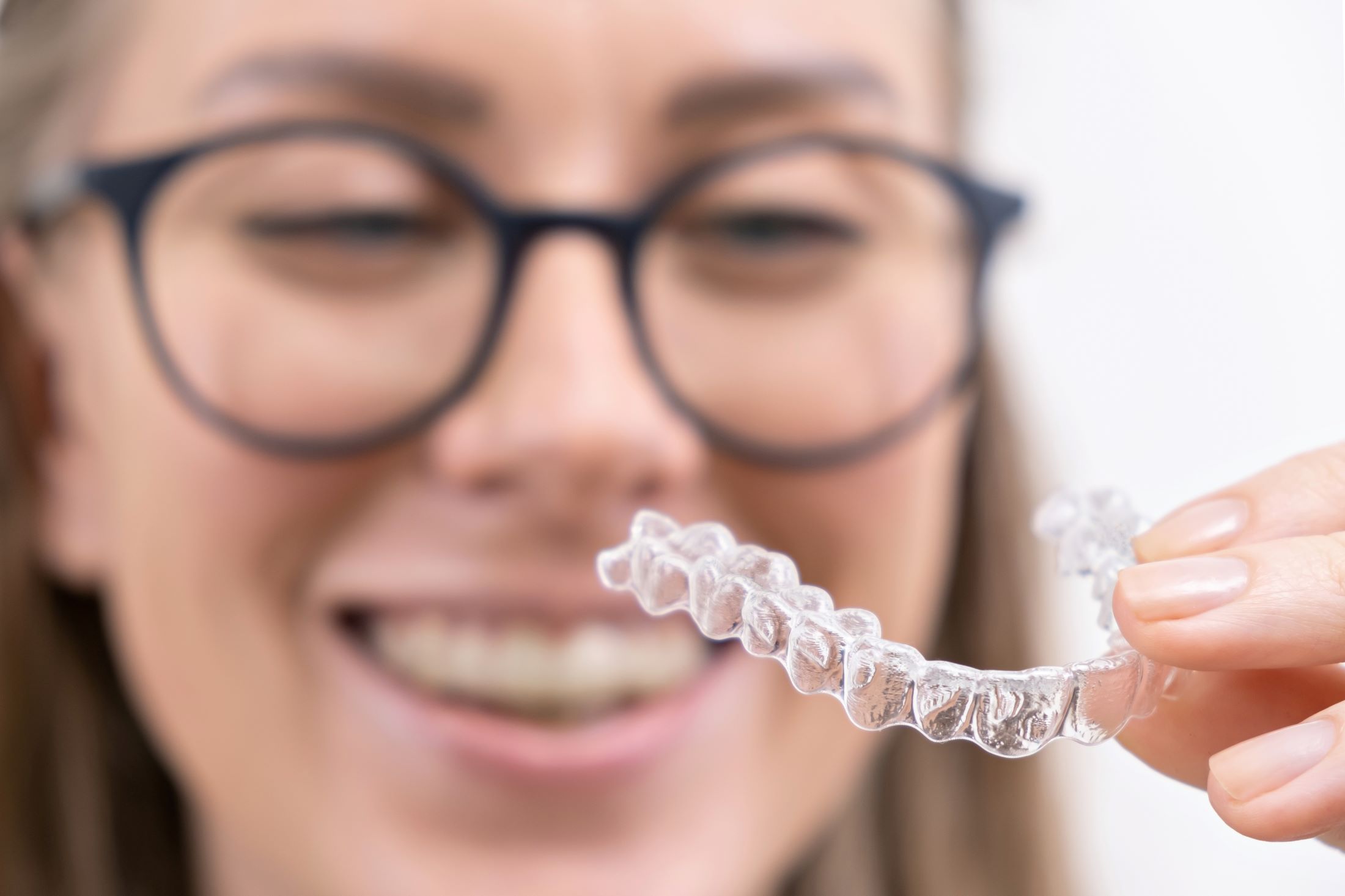
Invisalign refinements are additional sets of aligners ordered near the end (or sometimes during the middle) of your Invisalign treatment to fine-tune your result. Think of them as “detail work” to get teeth into the exact position your orthodontist intended.
Even with a great treatment plan and good wear, teeth don’t always move exactly as predicted. Refinement aligners help:
- Fix small areas that didn’t fully respond
- Improve the bite where the upper and lower teeth meet
- Polish the overall appearance of your smile
Needing refinements doesn’t automatically mean something went wrong. In many cases, it’s a normal part of modern orthodontic treatment – especially for more crowded or complex cases.
How Invisalign Treatment Is Planned
Before you ever wear your first tray, your orthodontist:
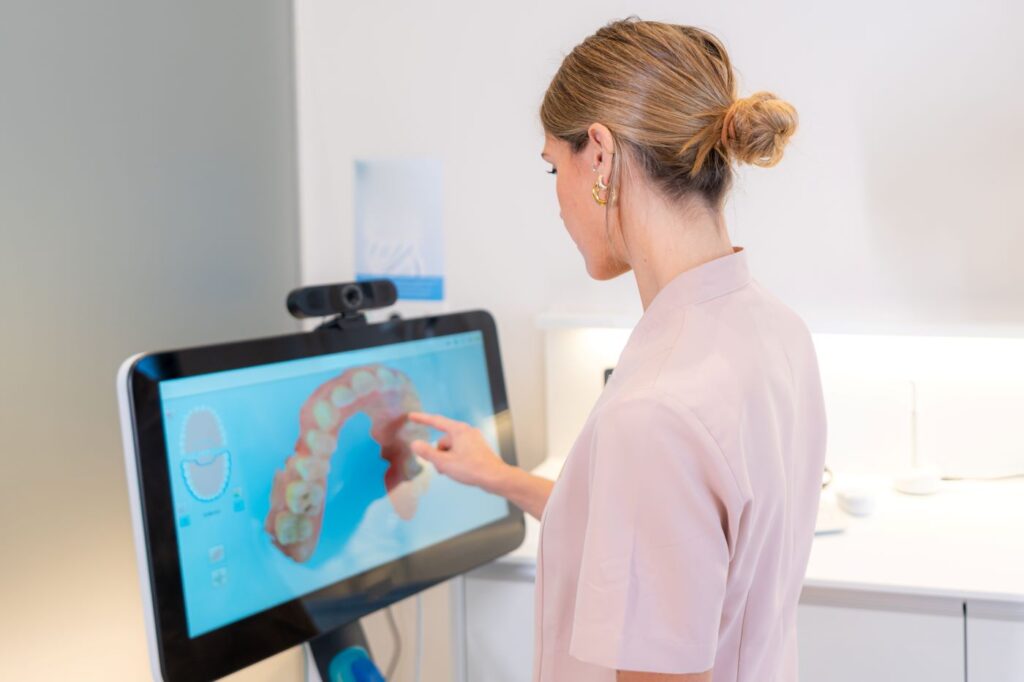
- Scans your teeth and bite
- Uses digital planning software to map out each tiny tooth movement
- Designs a sequence of aligner trays to move things step by step
This digital plan is incredibly precise, but it still relies on real-life factors:
- How consistently you wear your Invisalign aligners (20–22 hours a day)
- How your unique biology responds (some teeth are just stubborn)
- How well the teeth “follow” the planned course of movement
Refinements are simply your orthodontist’s way of adjusting the plan once they can compare the intended result to what’s actually happening in your mouth.
How Invisalign Attachments and IPR Help Your Aligners Work
Two tools show up a lot when we talk about refinements: Invisalign attachments and interproximal reduction (IPR).
Attachments: Tiny “Handles” for Tooth Movement
Attachments are small, tooth-colored bumps bonded to specific teeth. They help clear aligners:
- Rotate crowded or turned teeth
- Move teeth up/down or in/out more effectively
- Control complex tooth movement that aligners alone can’t manage
Do refinements require attachments?
Sometimes. Your orthodontist may add new attachments, reshape existing ones, or remove some during refinements. If you’re a patient at American River Orthodontics, Dr. Payne evaluates which attachments are essential to finish your case efficiently and comfortably.
Interproximal Reduction (IPR): Creating Just Enough Space
Interproximal reduction is a procedure where your orthodontist gently polishes away small amounts of tooth enamel between teeth to create space.
Key points about IPR:
- It’s performed only in safe, controlled amounts
- It helps crowded teeth slide past each other instead of colliding
- It can reduce the likelihood of black triangles and uneven edges
Can IPR be done with Invisalign?
Yes. IPR is commonly combined with Invisalign treatment when teeth are crowded or when there isn’t quite enough space to achieve the desired outcome.
What about enamel safety?
When done correctly, IPR removes only a very thin layer of enamel and stays within safe limits. Your orthodontist weighs the risk and benefit before recommending it.

Refinement Aligners vs. Your First Set of Clear Aligners
Refinements use the same type of removable clear aligners as your main series, but there are some differences in how they feel and what to expect.
- You may have fewer trays, focused on specific areas
- They may feel slightly more snug in spots your orthodontist is targeting
- You’ll still need to wear them as prescribed (usually 20–22 hours a day)
In many cases, refinement aligners are where your smile really starts to mirror the digital plan—those last little shifts that make everything line up the way you pictured.
How To Keep Your Aligners Tracking and Avoid Extra Refinements
You can’t control everything (biology is biology), but you can lower your chances of multiple refinement rounds.
Protect Your Wear Time
Invisalign works best when your aligner trays are on your teeth, not in the case. For most patients, that means wearing your Invisalign aligners 20–22 hours a day, every day. The “30-minute rule” is a simple way to stay on track: any time your trays are out for eating, drinking anything besides water, or brushing, try to keep that break under about half an hour.
When aligners stay out longer, tooth movement slows down and teeth can drift away from where the software expects them to be. Over time, that small drift can add up to bigger gaps between the plan and reality, which is when extra refinement aligners are more likely to be needed. Putting trays back in right after meals, using a timer if you tend to lose track of time, and following your orthodontist’s wear instructions closely are some of the easiest ways to keep your Invisalign treatment progressing on schedule.
Make Sure Your Aligners Are Tracking
The other key piece is how well your aligners track. When tracking is good, the plastic hugs each tooth closely, follows the edges of your teeth without visible gaps, and applies steady, even pressure instead of sharp, pinpoint soreness. When tracking starts to slip, you may see little spaces between the aligner and the biting edges, feel the tray “floating” off certain teeth, or notice a new set that never quite feels like it fully seats, even after several days of full-time wear.
Those early signs are worth paying attention to. Letting poorly tracking aligners pile up and simply switching to the next new set can make it harder for your orthodontist to bring everything back into the intended position and may increase the chances of longer refinements later. It’s usually better to pause, call your orthodontic office, and let them determine whether an adjustment to the plan is needed.
For a deeper look at what good and bad aligner tracking looks like and how to fix it, read our full guide called When Aligners Don’t Track.
Follow Attachment and IPR Instructions
Attachments and interproximal reduction (IPR) are two of the most important tools your orthodontist uses to keep your Invisalign treatment efficient and accurate, especially when refinements are involved. Invisalign attachments act like tiny handles that give your clear aligners more control over tooth movement, helping crowded or stubborn teeth move into the intended position instead of resisting the trays. If an attachment chips or falls off, or if a tray no longer “catches” on a key attachment the way it used to, it’s important to let your orthodontist know rather than waiting for your next visit. Small changes in how attachments and aligners interact can quietly throw off tracking and increase the need for extra refinement aligners later.
IPR works alongside attachments by creating just enough space between teeth to allow them to slide past each other instead of colliding. During this procedure, your orthodontist carefully polishes away very small amounts of tooth enamel between selected teeth, staying within safe limits to protect the health of your enamel while improving how well the aligners can do their job. It may not look dramatic in the mirror, but following all recommended appointments for attachments and IPR is essential to keep your treatment plan on course, reduce unexpected adjustment phases, and move you closer to a confident, stable smile without unnecessary extra rounds of Invisalign refinements.
Will Invisalign Refinements Make Treatment Take Longer?
Short answer: usually yes… but often in a good way.
Refinements can extend your Invisalign journey by a few weeks or even a longer period, depending on how much extra correction is needed. But that extra time is what helps:
- Ensure your bite feels normal and comfortable
- Achieve the best possible results rather than “good enough”
- Reduce the chance you’ll need more major treatment later
Refinements are one of the reasons many patients feel they truly achieve the smile they pictured when they started.
Life After Refinements: Retainers and Long-Term Results
Even once the last refinement tray is done, your Invisalign treatment isn’t truly “complete” until you’re wearing your retainers as prescribed. Retainers help:
- Hold your teeth in their new position
- Protect the time and investment you’ve made
- Keep your bite and appearance stable in everyday, social situations
Skimping on retainers is one of the fastest ways to undo months of work and potentially end up back in clear aligners or traditional braces in the future.
To learn more about orthodontic retainers and relapse prevention click HERE.
Thinking About Invisalign?
If you’re already in aligners, refinements and overcorrection trays are tools your orthodontist can use to finish your case well. The key is good communication, consistent wear, and early action when something doesn’t look or feel right.
If you’re in the Sacramento area and considering Invisalign, American River Orthodontics can walk you through your options, expected treatment time, and how we keep things as efficient and comfortable as possible. Schedule a free orthodontic consultation with American River Orthodontics to see if Invisalign can help you move toward the confident, healthy smile you’ve been wanting.