
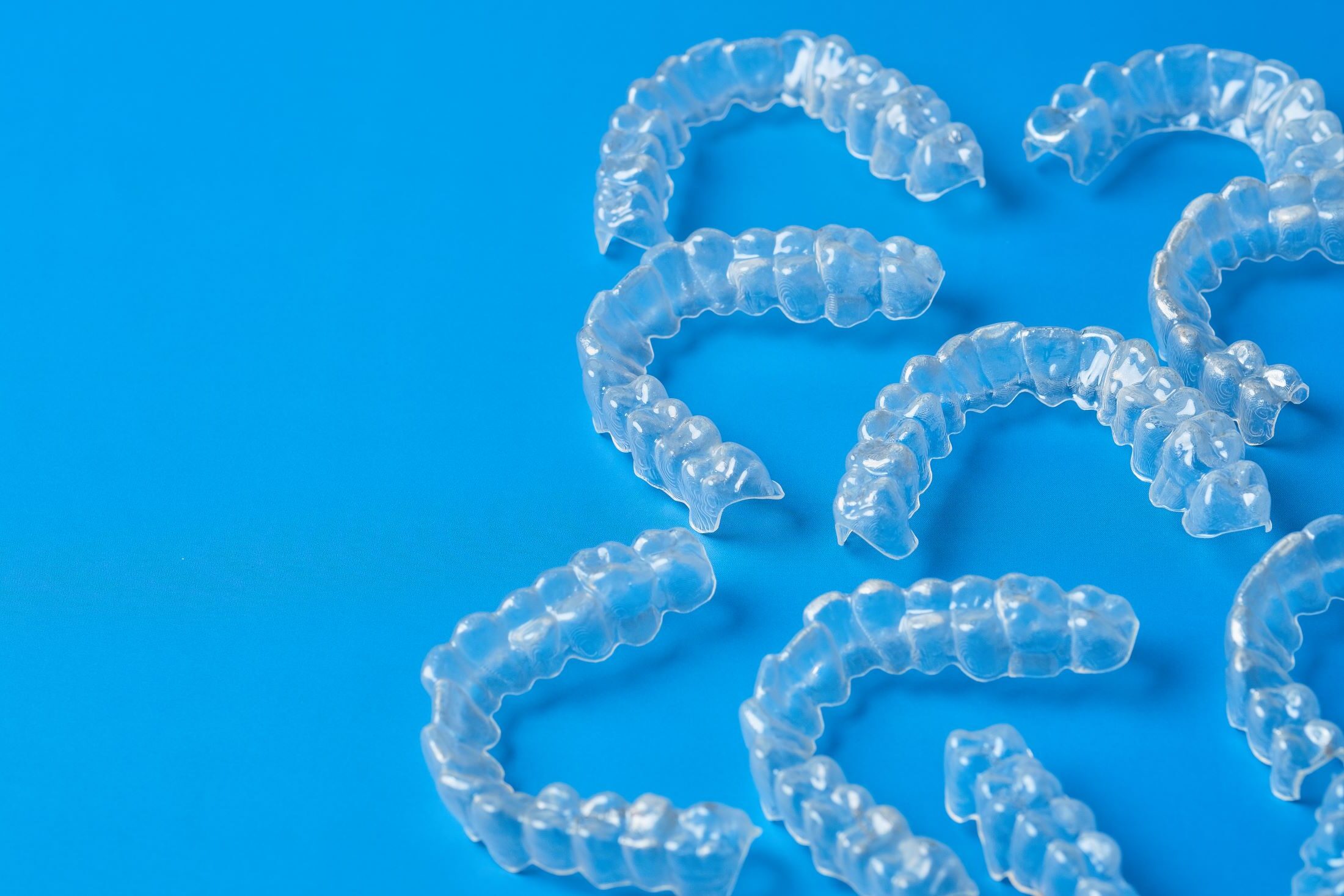
When your Invisalign aligners suddenly stop fitting the way they did at the beginning, it’s easy to worry that the whole treatment is “ruined.” The good news: in most cases, Invisalign not tracking is fixable – especially if you catch it early and know what to look for. At American River Orthodontics, we help our patients through these issues all the time, and small adjustments now can protect your final result later…whether you’re in our care or working with another orthodontist. Whether you’re a patient at American River Orthodontics or working with an orthodontist somewhere else, the same basic troubleshooting steps apply.
This guide walks you through why aligners stop tracking properly, what you can do at home, when to call, and how things like attachments, wear time, and midcourse corrections affect your smile.
What Does “Invisalign Not Tracking” Actually Mean?
“Invisalign not tracking” means your clear aligners aren’t lining up with your teeth the way your treatment plan expects. The aligners are designed to guide very specific tooth movements over time. When tracking is off, the teeth and aligners are no longer in sync.
You might notice:
- Gaps between the edges of the aligners and the teeth (especially near the biting edges)
- Aligners that rock, won’t fully seat on certain teeth, or feel like they’re “floating”
- Certain individual teeth don’t seem to move while others do
- Sharp pressure or discomfort on one tooth instead of even, gentle pressure
In simple terms: your teeth aren’t where the software thinks they should be. The goal is to figure out why that’s happening and get your Invisalign aligners back on track as quickly as possible.
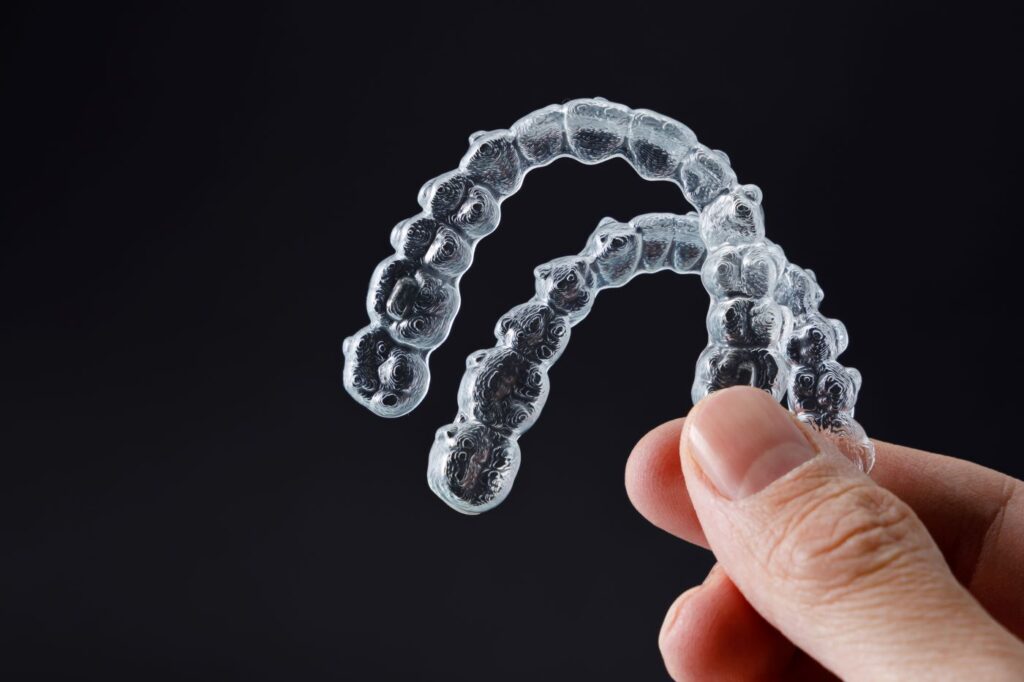
Common Reasons Invisalign Aligners Stop Tracking Properly
Mis-tracking doesn’t mean your Invisalign treatment has failed. It usually means something in the process needs a tune-up.
1. Not Enough Wear Time (The Big One)
The most common reason aligners don’t track is inconsistent wear time. Invisalign works only when the trays are on your teeth.
- Most patients need 20–22 hours per day of aligner wear
- That means aligners should only be out for eating, drinking anything besides water, brushing, and flossing
Is 20 hours a day good enough for Invisalign?
In some cases, 20 hours can still work, but it leaves very little margin for error. If mis-tracking is already showing up, your orthodontist will usually push you closer to 22 hours a day to get the teeth moving effectively again.
What is the 30-minute rule for Invisalign?
A simple rule of thumb: try not to have your aligners out for more than 30 minutes at a time. Longer breaks can slow or stall tooth movement and affect how your aligners fit the next time you put them in.
2. Skipping Ahead or Staying on a Set Too Long
Your treatment plan is carefully staged. Each new set of aligners is a small step in the sequence.
Tracking problems can happen if you:
- Skip to the next set before the current one fits properly
- Stay in a set far longer than recommended without being told to
- Lose a set and guess at what to do next
In most cases, changing trays early or out of order makes it harder for the teeth to follow the planned movement and can create a snowball effect further into treatment.
3. Problems With Invisalign Attachments
Invisalign attachments are small, tooth-colored shapes bonded to certain teeth. They help aligners grip tricky teeth so the trays can move them more effectively.
If you have attachments, tracking problems may show up when:
- An attachment falls off
- A tooth that should have an attachment never got one
- The aligner is not fully snapping over a key attachment
Why is my Invisalign attachment not tracking?
If an aligner isn’t grabbing onto an attachment the way it was designed to, that tooth may lag behind. Over time, that throws off how the entire aligner seats on your mouth. This is one reason it’s so important to call your orthodontist if you notice a missing or chipped attachment.
4. Complex Tooth Movements or Bite Issues
Some smiles are more complex than others. Things that can make tracking harder include:
- Deep overbite or open bite
- Rotated canines, premolars, or molars
- Past extractions that changed how the teeth line up
- Significant crowding or spacing
- Previous orthodontic treatment that relapsed
In these cases, your orthodontist may anticipate that extra refinements or a midcourse correction could be needed right from the beginning. That doesn’t mean treatment isn’t working; it just means your case needs more fine-tuning.
5. Warped or Damaged Aligners
Invisalign trays are made from a high-quality material designed to resist normal chewing and pressure, but they’re not indestructible.
Tracking can be affected if:
- Aligners are exposed to hot water and warp
- You chew on them like gum
- They crack or develop tears
- A pet gets to them (it happens more than you’d think)
When the clear aligners’ shape changes, they no longer apply the right pressure to the teeth, and tracking falls off.
At-Home Fixes to Help Your Aligners Track Again
There are safe, simple things you can do at home to encourage better tracking before your next visit.
1. Get Strict About Wear Time
If you’ve been a little relaxed, this is the time to tighten things up.
- Aim for 22 hours of aligner wear every day
- Use your phone clock or an app to track “out of mouth” time
- Put your aligners right back in after meals; don’t let them sit in the case
How long should I wear my aligners for?
Unless your orthodontist has told you otherwise, assume 22 hours is the standard. The more consistently you wear them, the more likely they are to track properly and keep your overall treatment time on schedule.
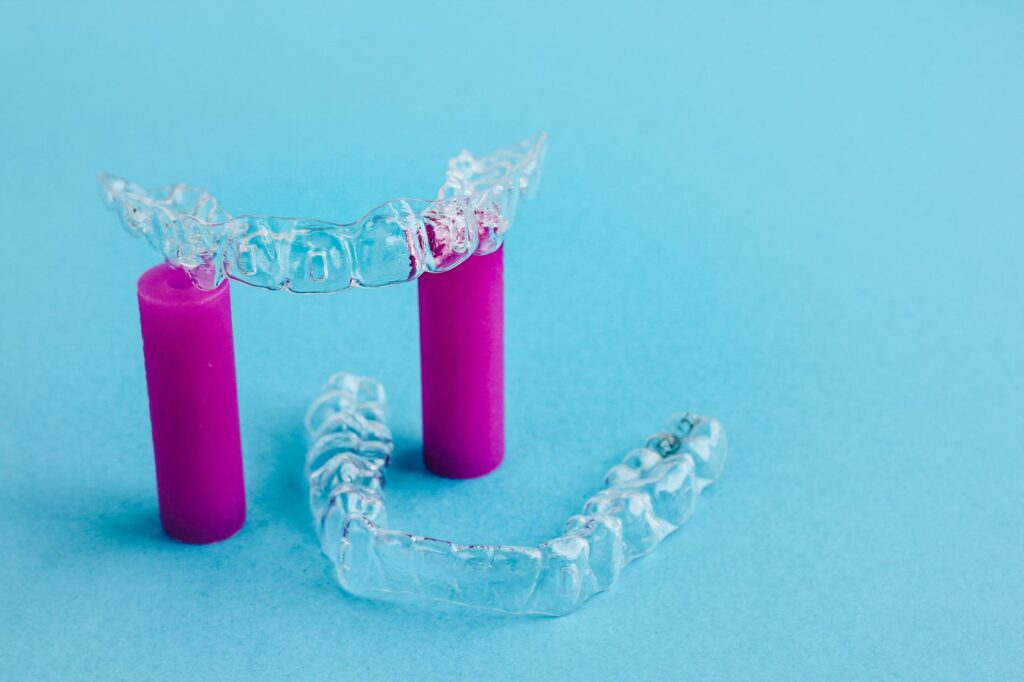
2. Use Aligner Chewies Correctly
Aligner chewies are small, soft cylinders you bite on to help “seat” your trays all the way onto your teeth. Most are made from medical grade silicone, which is safe to chew on and firm enough to help the aligners hug the teeth.
What are aligner chewies made of?
Most chewies are made from soft, flexible, medical grade silicone that’s gentle on gums but strong enough to help push aligners into place.
Are aligner chewies necessary?
They’re not required for every patient, but they can be incredibly helpful if:
- Your aligners are a little harder to fully seat
- You’re starting a new set and feeling more space between tray and tooth
- Certain individual teeth are stubborn
How often should you use chewies with Invisalign?
A good starting point is:
- Every time you switch to a new set of aligners
- 5–10 minutes a few times a day, especially in the first 2–3 days of a new tray
What happens if I don’t use chewies?
If your orthodontist has recommended chewies and you skip them, you may see more gaps between the aligner and the teeth and more risk of Invisalign not tracking as expected. Chewies are one of the easiest tools for better tracking.
3. Check How You’re Seating Your Aligners
When you insert your trays:
- Press along the front teeth and up over the back teeth with your fingers
- Avoid biting them into place with your back teeth, which can crack them
- Look in the mirror to check there’s no visible gap between the plastic and your teeth near the biting edges
If they don’t seem to seat all the way, stop and call your orthodontist instead of forcing them into place. Forcing a tray that doesn’t fit can damage it or stress one area too much.
4. Keep Your Teeth and Aligners Clean
Food stuck between your teeth, or plaque along the gumline, can interfere with how snugly the aligners fit.
- Brush and flossing before putting aligners back in
- Brush aligners gently with a soft brush and cool water
- Avoid hot water that could warp the material
Clean teeth and clean trays help the plastic hug each tooth the way it was designed.
Mid-Article Check-In: Ready to Get Your Invisalign Back on Track?
If you’re starting to notice Invisalign not tracking or you’re worried your aligners fit differently from the beginning, don’t guess your next move. Reach out to your orthodontist so they can check your fit, review your treatment plan, and tell you what to do next. If you’re a patient at American River Orthodontics in the Sacramento area, you can also visit our Invisalign page to learn more about our approach to Invisalign treatment and contact our team to schedule a check-in.
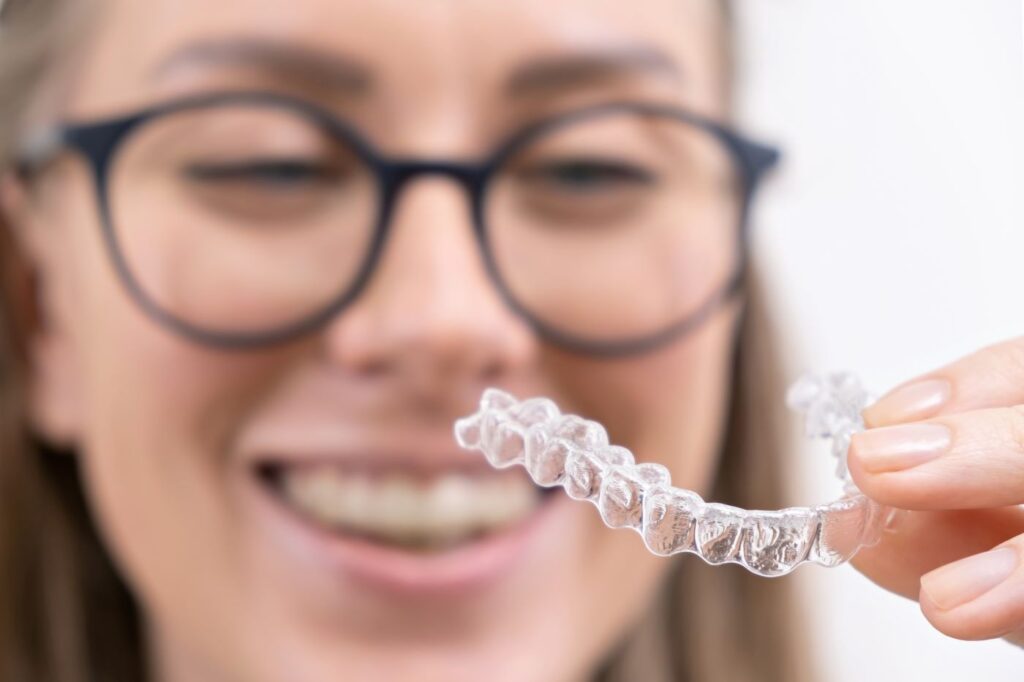
What Invisalign Attachments Do and Why They Matter for Tracking
You might think of Invisalign attachments as tiny handles that help your aligners control complex tooth movements.
What Do the Attachments Do for Invisalign?
Attachments help:
- Rotate stubborn teeth
- Pull or push teeth in specific directions
- Fine-tune bite correction in ways aligners alone can’t manage
They’re bonded to the teeth and shaped to match the digital treatment plan your orthodontist designed.
Do Invisalign Attachments Stay On the Whole Time?
In most cases, attachments stay on for most or all of your Invisalign treatment. Your orthodontist may add more, reshape some, or remove a few as your alignment improves and the best course of action changes.
Signs an Attachment Problem Is Hurting Tracking
Contact your orthodontist (or our office if you’re a patient at American River Orthodontics) if:
- You notice an attachment is missing or chipped
- The aligner no longer “snaps” over a tooth with an attachment
- You see a gap between the plastic and a tooth that has a key attachment
A quick repair can get the aligners and attachments working together again before mis-tracking gets worse.
When At-Home Fixes Aren’t Enough: Midcourse Correction
Sometimes, even with perfect patient compliance, some teeth don’t respond exactly as predicted. In those cases, your orthodontist may suggest a midcourse correction.
What Is a Midcourse Correction?
A midcourse correction is an adjustment to your treatment plan in the middle of treatment. It can involve:
- New digital scans of your mouth
- Updated planning using Align Technology’s software (the company behind Invisalign)
- A fresh series of aligners that match where your teeth are now and where they still need to go
This is different from refinements at the end. It’s a way to correct tracking issues before you reach the last set of aligners.
What Affects Midcourse Correction?
Things that can lead to a midcourse correction include:
- Complex bite issues or jaw relationships
- Teeth that are more stubborn than expected
- Attachments that need redesign
- Small gaps in wear time early in treatment
A midcourse correction doesn’t mean your treatment failed. It’s your orthodontist using the available tools to keep you moving toward your dream smile effectively.
Will This Make My Treatment Take Longer?
Sometimes a midcourse correction adds a bit of treatment time. But catching problems early is usually better than reaching the end and realizing half your teeth aren’t where they’re supposed to be. The goal is a healthy, stable bite and a result that lasts into the future, not just finishing fast.
When to Call American River Orthodontics Right Away
Not every tracking issue is an emergency, but there are times when you shouldn’t wait for your next regular visit – especially if you’re a patient at American River Orthodontics. If you’re in treatment somewhere else, use this list as a guide for when to call your own orthodontist.
Call the office if you notice:
- Aligners that will not fully seat even with chewies and firm finger pressure
- Sudden, sharp discomfort or pressure in a single tooth that doesn’t improve
- A cracked or torn tray that won’t stay on your teeth
- Lost aligners where you’re unsure whether to go backward or forward
- Attachments that fall off, especially on canine teeth or molars
- Sores on your gums or cheeks where the plastic digs in
If you’re treated at American River Orthodontics, our team can help you decide whether this is a true orthodontic emergency or something that can be handled with a simple adjustment. If you’re in active treatment elsewhere, call that office for the same guidance. For more guidance on urgent issues, you can also review our post on orthodontic emergencies and what to do next.
Life After Invisalign: Retainers and Staying on Track Long-Term
Even after your Invisalign treatment is complete, your teeth still have a natural tendency to move. That’s why retainers are part of every orthodontics plan, whether you chose braces or clear aligners.
Can I stop wearing my retainer after 2 years?
Retainers are not just a short-term step. Many people need to wear retainers, at least at night, for as long as they want their teeth to stay straight. If you stop too soon, teeth can slowly drift and your smile can “fall” out of alignment again.
Retainers:
- Help hold the new position of your teeth
- Protect the time and investment you’ve made
- Are much easier than going back into active treatment later
If you ever feel your retainer getting tight or notice it doesn’t seat like it used to, that’s your early warning sign to contact your orthodontist. If you’re a patient at American River Orthodontics, give us a call so we can check things before movement gets worse.
Worried Your Aligners Aren’t Working? You’re Not Stuck.
If you’ve noticed Invisalign not tracking, you’re not alone…and you’re not stuck. In most cases, a mix of better wear time, smart chewies use, and small professional adjustments are enough to get your aligners working properly again.
Your orthodontist is there to:
- Check how your treatment is progressing
- Adjust attachments or trays if needed
- Talk through options like midcourse correction or refinements
- Answer questions about cost, including how Invisalign fits into your overall treatment budget