
Keep Your Smile Straight for the Long Haul
Orthodontic Retainers & Relapse Prevention

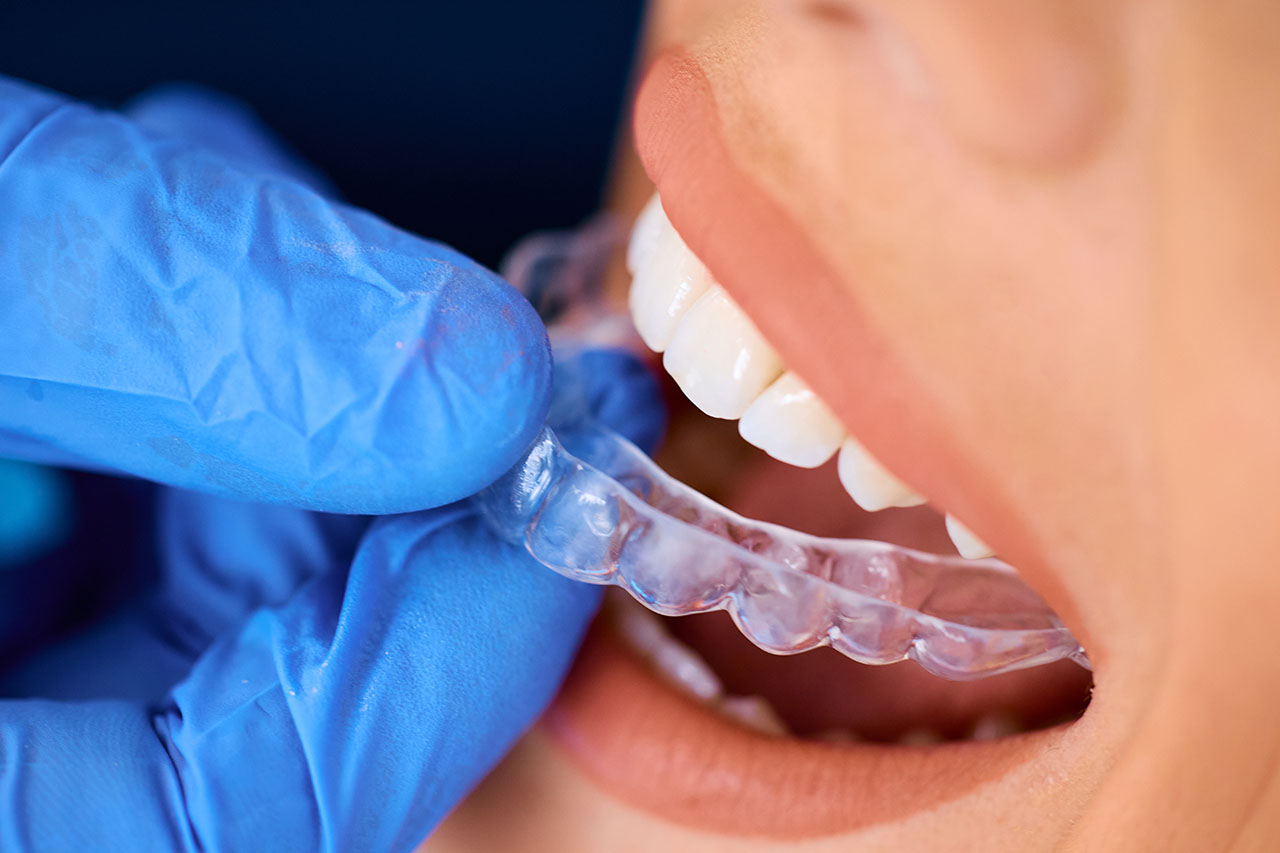
Locking In Your New Smile
The Next Phase: Orthodontic Retention
Finishing braces or clear aligner treatment feels amazing... but it’s not the end of your orthodontic story. Retainers are what protect that brand-new smile so your teeth don’t slowly drift back toward their original positions. A smart retainer wear schedule keeps your smile looking great and helps you avoid future retreatment.
At American River Orthodontics, we see retainers as the “quiet hero” of your orthodontic treatment. Dr. Payne and our team help patients of all ages understand what to wear, how often, and for how long so your teeth stay straight and your investment in your smile lasts.
Orthodontic Retainers: Why They Matter
When your braces or clear aligners come off, your teeth are in new positions, but the bone and soft tissues around them are still adapting. Without support, teeth naturally want to shift back toward their original positions. That process is called relapse.
Orthodontic retainers hold your teeth while the bone around each root firms up and stabilizes. Over time, retainers transition from “holding everything in place while things heal” to “night-time insurance” against future shifting teeth. They play an important role in:
- Keeping your bite comfortable
- Preventing small changes that add up over the years
- Protecting the long-term health and appearance of your smile
In other words, retainers don’t just keep your teeth perfectly straight on day one—they help your result look good for a lifetime.

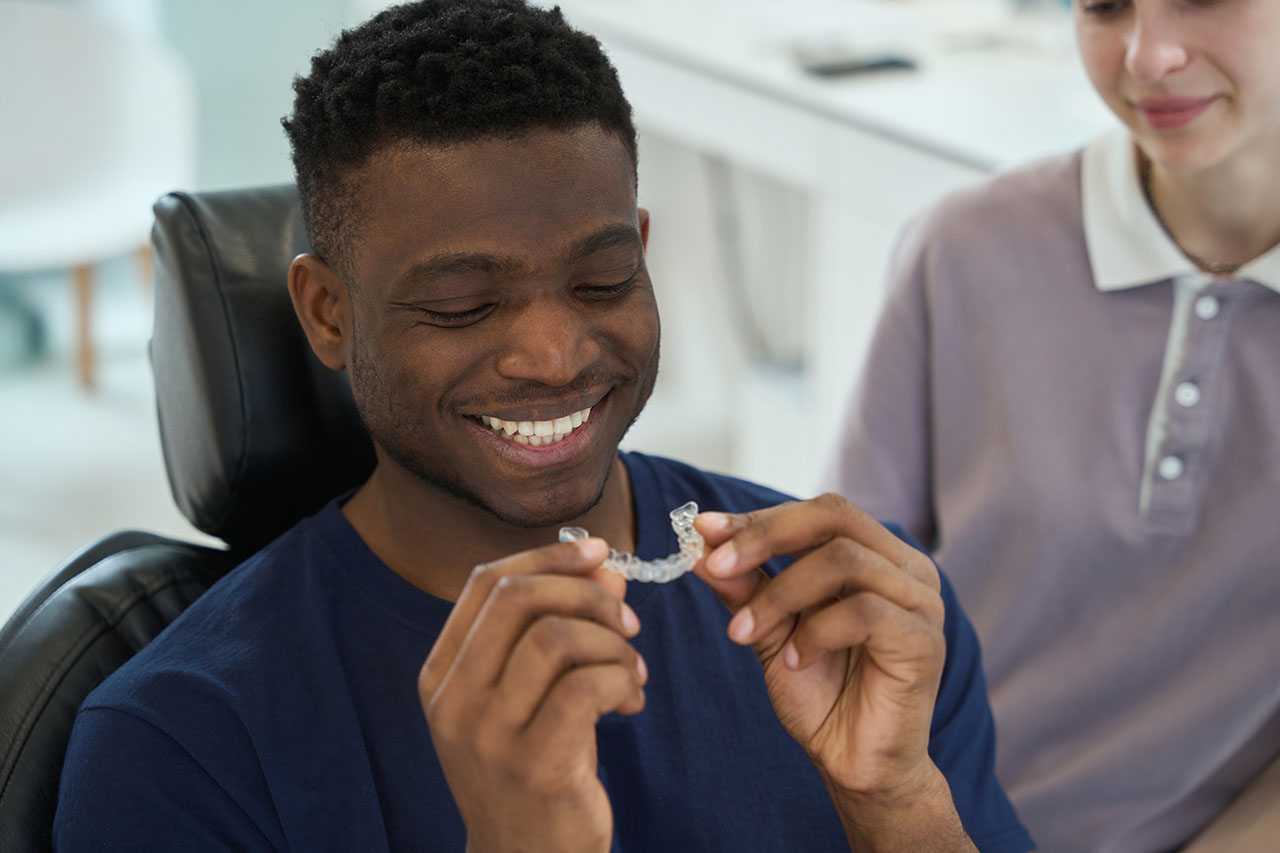
Your Retainer Wear Schedule: What to Expect
There’s no one-size-fits-all retainer wear schedule, but most patients follow a similar pattern after braces or aligner treatment. Dr. Payne will personalize this for you, based on your case and how your teeth respond.
Right After Treatment: Full-Time Wear
In the beginning, most patients start by wearing a retainer full-time. That usually means wearing your retainers in day and night, taking them out only for eating, drinking anything besides water, and brushing. This early stage is crucial because your teeth and bone are still settling into their new positions. Full-time wear gives your smile the best chance to stabilize.
Long-Term: Night-Time Retainer Wear
After that first phase, most patients are able to switch to night-time wear only. You’ll typically:
- Sleep in your retainers every night
- Keep them in for the full night (usually 8–10 hours)
- Continue this pattern for the long term
People often ask, “Can I skip a night?” or “Can I go a couple of hours without my retainer?” Missing occasionally isn’t usually an emergency, but if you notice your retainer feeling tight or harder to seat after a night off, that’s your early warning sign that your teeth are starting to move. Getting back to your normal wear schedule right away can help.
Types of Retainers and How They Work
Removable Retainers: Essix vs. Hawley
Removable retainers are custom made to fit your teeth and can be taken in and out. Two of the most popular options are Essix retainers and Hawley retainers.
Essix retainers
Essix retainers are the clear, tray-style retainers that many patients recognize.
-
Made from clear plastic that fits snugly over your teeth
-
Very discreet—most people won’t notice you’re wearing one
-
Great for patients who loved the look of clear aligners and want something similar for retention
Because Essix retainers fit snugly over the entire arch, they do a nice job of holding your teeth in their new positions and keeping small rotations or spaces from creeping back. However, they need proper care and can wear out over time, especially if exposed to hot water or used for chewing.
Hawley retainers
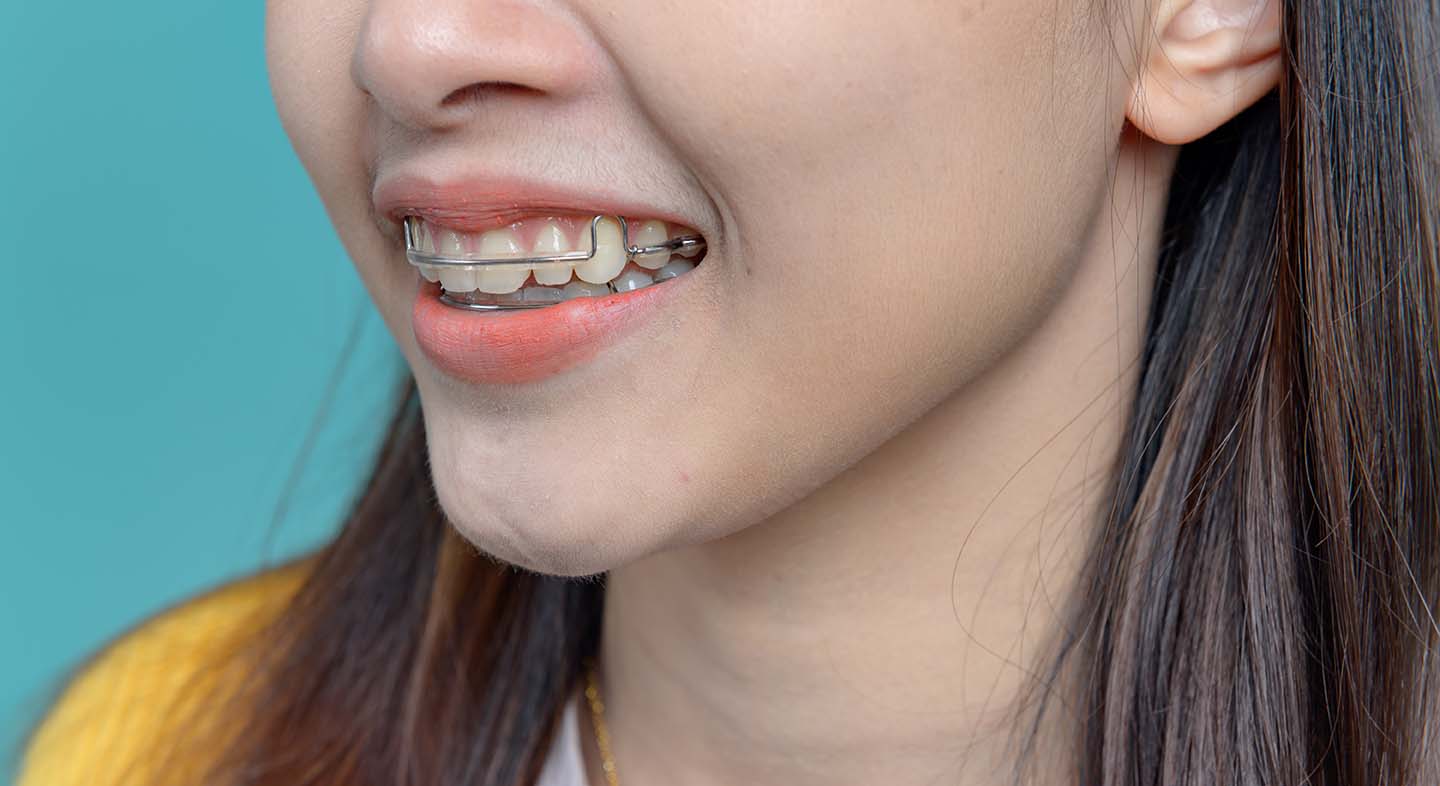
Hawley retainers are the classic style with a thin metal wire across the front teeth and a smooth acrylic piece that rests against the roof of your mouth or along the inside of your lower teeth.
- Very durable and adjustable
- Allow your upper and lower teeth to touch more naturally
- Can be customized with colors or designs (especially fun for kids and teens)
Because Hawley retainers are so sturdy, they can be a great long-term option and are often easier to repair if something breaks. Some patients prefer the feel of clear plastic Essix retainers; others like the flexibility and durability of Hawleys. Dr. Payne will walk you through Essix vs Hawley so you can choose the style that fits you best.
Fixed Retainer Support for Long-Term Stability
A fixed retainer—also called a bonded retainer or permanent retainer—is a thin metal wire that’s carefully glued to the back of certain teeth, usually the lower front teeth and sometimes the upper front teeth. From the outside, no one can see it.
Fixed retainers play an important role in orthodontic retention, especially for patients who had crowding or rotation in the lower front teeth. Because they are always in place:
- They work 24/7 to keep your teeth from shifting
- You don’t have to remember to put them in or take them out
- They’re a great safety net for busy adults and teens
That said, bonded retainers do require good daily cleaning. You’ll need to floss carefully around the wire and watch for build up of plaque along the gums. If your fixed retainer ever feels loose, pokes your tongue, or breaks, it’s important to contact our office so we can repair or replace it before teeth start to move.
Many patients do best with a combination: a fixed retainer on the lower teeth for constant support plus a removable retainer (Essix or Hawley) for night-time wear on the upper. Dr. Payne will help you understand which combination gives you the most stability with the least hassle.
Proper Care and Retainer Maintenance
Good retainer maintenance helps your device last longer, stay comfortable, and keep your dental health on track. The basics are simple, but they make a big difference.
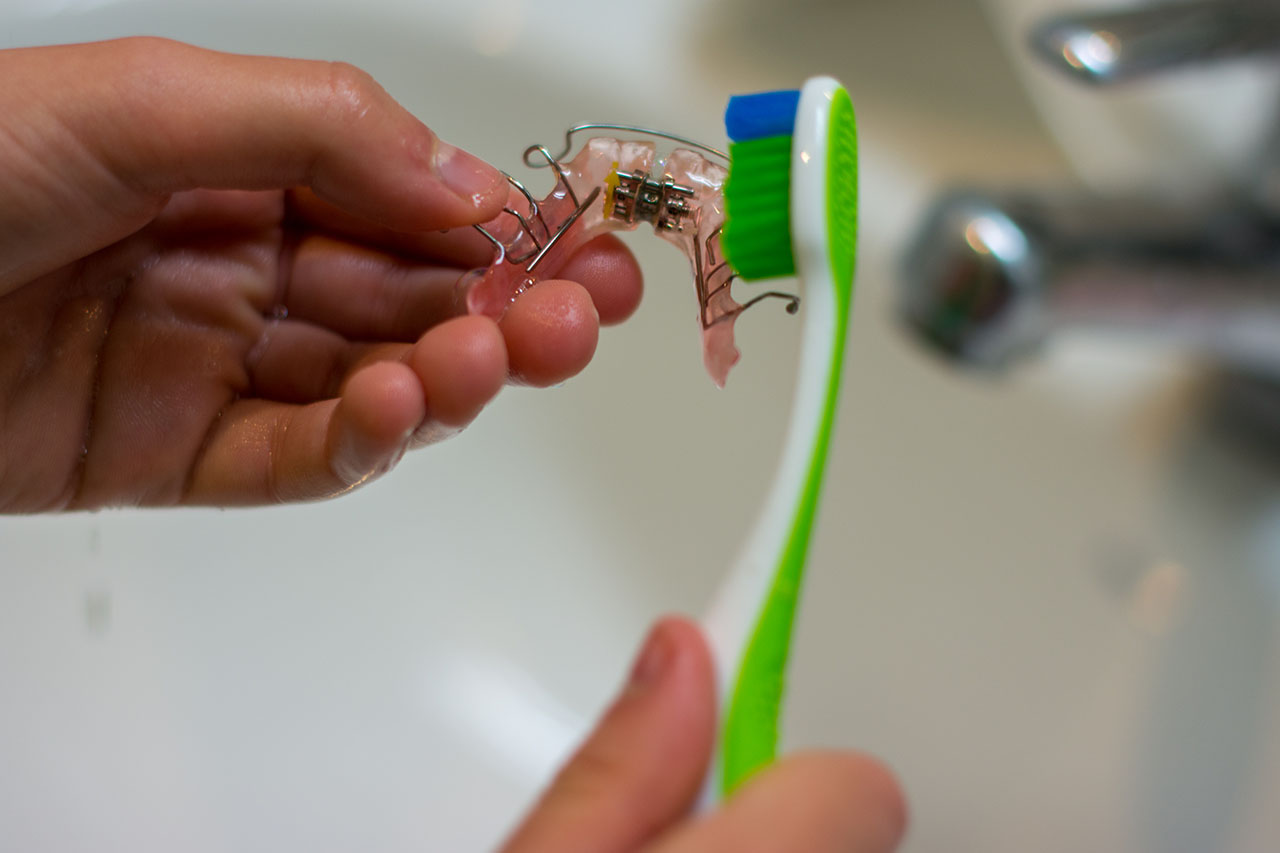
Clean daily: For removable retainers, gently brush them with a soft toothbrush and cool water. Avoid hot water, which can warp plastic or cause an Essix retainer to no longer fit as well.
Brush and floss your teeth: Regular brushing and flossing are still the foundation. Clean teeth plus a clean retainer are the best combination for healthy gums and fresh breath.
Store them safely: When your retainer gets a break, place it in its case—not in a napkin, pocket, or backpack where it can be lost or broken.
Watch the fit: If your retainer feels tight, doesn’t fit snugly, or you can’t fully seat it, that’s a sign your teeth may be trying to shift. Don’t force it; call us so we can check what’s going on.
With proper care, many retainers last for years. However, no retainer lasts forever. Normal wear, clenching or grinding, and time can lead to small cracks or a looser fit. When that happens, it’s usually better to replace your retainer than to wait for more movement.
If you’re concerned about replacement costs, our Cost Overview page explains how we approach fees, insurance, and payment plans—and our team is always happy to answer questions.

Relapse Prevention: What If Teeth Start Shifting Again?
Even with a great retainer wear schedule, life happens. Maybe you forgot your retainer on vacation, went through a stressful season, or simply didn’t realize how important long term wear really was. If you notice shifting teeth, the most important thing is not to panic—and not to ignore it.
Small changes caught early are often easier to correct. If your teeth have moved just a bit, we may:
- Update your retainer so it fits your current position better
- Recommend a short period of increased wear (for example, full-time for a while, then nights)
- Talk about minor retreatment if needed
For patients whose teeth have moved more noticeably, a short course of clear aligners may be the best way to get things back in line. Our Minor Teeth Straightening options are designed exactly for this—small course corrections that gently move teeth back where they belong so you can restart retention on a stronger foundation.
The earlier you reach out, the more options you have. If you’re already seeing changes you don’t like, schedule a visit so Dr. Payne can help you decide whether an updated retainer, minor aligner treatment, or a combination is the best way forward.
Retainer Costs, Replacement, and Planning Ahead
Patients often ask: “How long do retainers last?” and “How much does it cost to get new retainers?” There isn’t one exact answer, but there are some reliable patterns.
- Most removable retainers can last several years with good care
- Hawley retainers are usually more durable; Essix retainers may need replacing sooner if they crack or warp
- Fixed retainers can last many years but may need occasional repairs if the wire breaks or debonds
Replacement costs depend on the types of retainers you have, how many arches need new devices, and whether your dentist or orthodontic insurance offers any coverage. The good news: replacing a retainer is almost always easier and more affordable than going through orthodontic treatment again.

Frequently Asked Questions
How long will I need to keep wearing a retainer?
In the early phase after treatment, most patients wear retainers full-time. After that, many transition to night-time wear only. Because teeth can change throughout life, we usually recommend long term wear at night to maintain your result.
Are fixed retainers a good idea for everyone?
A fixed retainer is especially helpful for patients who had crowding in their front teeth or who know they might struggle with wearing a retainer consistently. They’re not perfect for everyone - patients with certain dental health concerns or hygiene challenges may be better suited to removable retainers. Dr. Payne will help you decide what’s essential for your situation.
How do I know if my retainer needs to be replaced?
If your retainer cracks, no longer fits snugly, feels loose, or leaves your teeth feeling sore every time you put it in, it’s time to have it checked. Sometimes a small adjustment is enough; other times, a new retainer is the safest way to protect your smile.
What should I do if I’ve stopped wearing my retainer?
If you’ve taken a long break from wearing retainers and notice changes in your bite or smile, don’t try to force an old retainer into place. Instead, schedule a visit so we can evaluate your position and recommend the next step.
Your Partner in Retention and Relapse Prevention
Dr. Michael Payne combines years of orthodontic expertise with a deep commitment to personalized patient care. With his knowledge and hands-on experience, Dr. Payne creates custom treatment options that deliver beautiful, lasting results. Trust American River Orthodontics to guide you on your journey to a perfect smile.
Ready to address your minor orthodontic problems and straighten your teeth? Get in touch with us to schedule your FREE consultation with Dr. Michael Payne. We can't wait to help you begin your journey to a confident, stunning smile!